
In the world of high-end furniture, few materials command the respect and admiration that teak does. Renowned for its unparalleled durability, stunning aesthetics, and natural resistance to the elements, authentic teak furniture is a significant investment. For B2B buyers looking to source quality pieces for retail, hospitality projects, or large-scale developments, the allure of Indonesian Teak Furniture is undeniable. However, this high demand also attracts unscrupulous sellers who attempt to pass off inferior products as genuine. Navigating this complex market requires expertise and vigilance.
As a leading Indonesia Teak Furniture Manufacture, we understand the challenges B2B clients face. This comprehensive guide is designed to empower you with the knowledge needed to identify authentic Indonesian teak, ensure ethical sourcing, and ultimately protect your investment from potential scams. We aim to provide you with the insights of an industry expert, ensuring your procurement process is smooth, secure, and successful.
Don’t Get Scammed! Your Ultimate Guide to Buying Authentic Indonesian Teak Furniture!
Why Indonesian Teak Furniture? The Unmatched Appeal
Indonesian teak, specifically from the Tectona grandis tree, is celebrated globally for its exceptional qualities. Originating from the rich volcanic soils of Indonesia, this timber develops a unique combination of strength, stability, and natural beauty. Its high oil content makes it inherently resistant to moisture, rot, insects, and UV radiation, making it ideal for both indoor and outdoor applications. This inherent resilience means that with proper care, Indonesian teak furniture can last for generations, often becoming heirloom pieces.
The aesthetic appeal is equally compelling. Teak boasts a beautiful golden-brown hue that deepens over time, developing a graceful silvery patina if left untreated outdoors. Its distinctive straight grain patterns and smooth texture contribute to a luxurious feel that elevates any space. To truly appreciate its enduring legacy, delve into the Timeless Elegance: A Journey Through the Rich History of Indonesian Teak Furniture!, and understand why Teak vs. The Rest: Why Indonesian Teak Furniture Outshines Every Other Wood! in terms of performance and longevity.
Identifying Authentic Teak: What to Look For
Distinguishing genuine Indonesian teak from imitations is crucial for any B2B buyer. Many inferior woods are stained or treated to mimic teak’s appearance, but they lack its fundamental properties. Here’s how to sharpen your senses and spot the real deal.
The Visual Cues: Grain, Color, and Texture
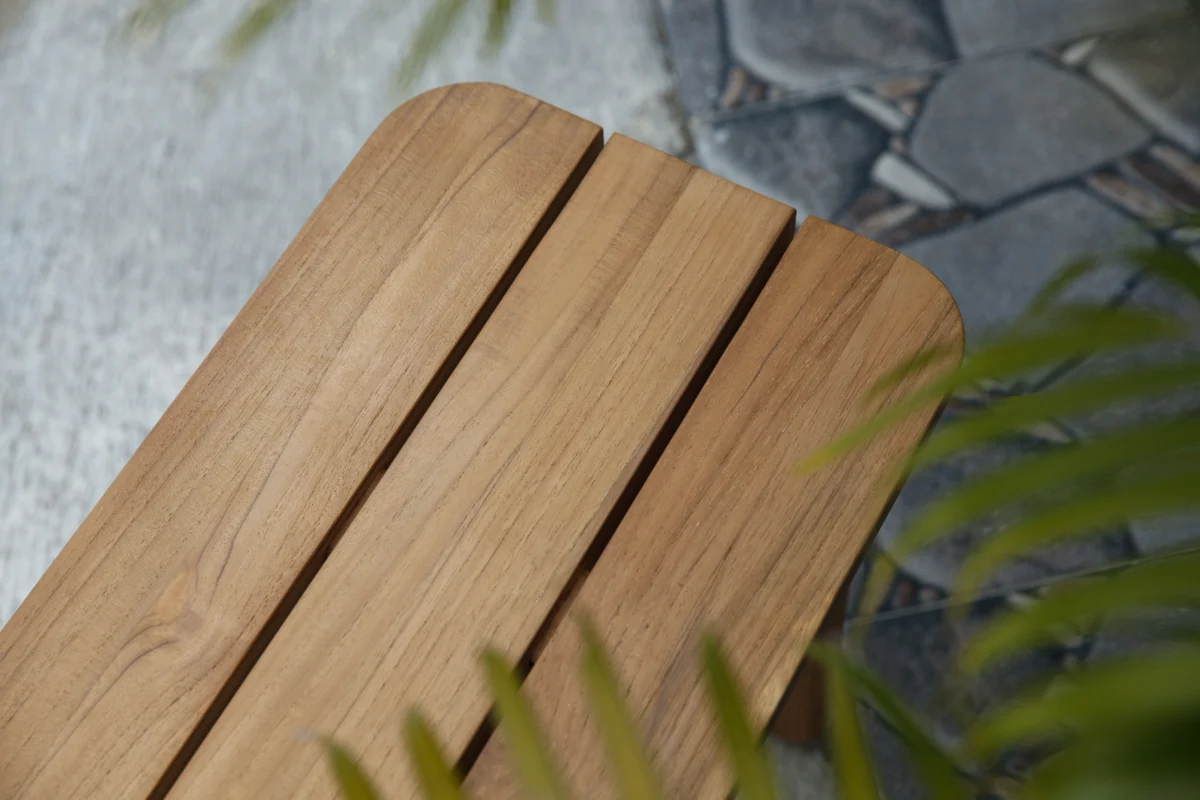
Authentic Indonesian teak typically exhibits a rich, warm golden-brown color, which can vary slightly depending on the age and origin within Indonesia. Look for a relatively straight and consistent grain pattern. While knots can occur, excessive or large knots might indicate lower-grade timber. The surface should feel smooth, almost oily to the touch, due to its natural oils. Be wary of furniture that appears overly red or has a very pronounced, erratic grain, as these could be indicators of alternative woods like meranti, mahogany, or even stained rubberwood. Inferior teak, often referred to as “plantation teak” from younger trees, might also have a lighter color and less dense grain structure compared to mature Indonesian teak.
The Weight and Density Test
Teak is a dense hardwood, and this characteristic is immediately noticeable in its weight. Genuine teak furniture will feel substantial and heavy for its size. If a piece of furniture looks like teak but feels surprisingly light, it’s a significant red flag. This lightness often suggests it’s made from a less dense, cheaper wood that has been stained to resemble teak. The density of mature Tectona grandis contributes directly to its strength and resistance to warping, making it a reliable material for long-term use in various climates.
The Scent of Authenticity
While less common in a B2B procurement scenario where you might not always be able to smell the raw wood, authentic teak has a distinctive, slightly leathery or rubber-like scent, particularly when freshly cut or sanded. This unique aroma is due to the natural oils and resins within the wood. If you encounter a strong, chemical smell, it might indicate heavy staining or artificial treatments used to mask an inferior wood. A lack of any discernible natural wood scent can also be a subtle indicator that you’re not dealing with genuine, high-quality teak.
Ensuring Sustainable and Legal Sourcing
Beyond authenticity, the ethical and legal sourcing of teak is paramount for responsible B2B buyers. Indonesia has made significant strides in sustainable forestry, establishing robust systems to combat illegal logging and promote responsible practices.
The Importance of SVLK and FLEGT Certification
When sourcing Indonesian teak, look for manufacturers who adhere to the Timber Legality Verification System (SVLK – Sistem Verifikasi Legalitas Kayu). SVLK is Indonesia’s national timber legality assurance system, ensuring that all timber and timber products are sourced from legal and sustainable operations. This system is recognized internationally and forms the basis for the Forest Law Enforcement, Governance and Trade (FLEGT) Voluntary Partnership Agreement (VPA) with the European Union. A FLEGT license guarantees that timber products imported into the EU are legally harvested, processed, and exported from Indonesia.
For B2B buyers, sourcing SVLK-certified and FLEGT-licensed teak furniture means you are contributing to sustainable forestry and avoiding complicity in illegal logging. This not only protects your company’s reputation but also aligns with global environmental responsibility standards. Reputable suppliers will readily provide documentation and certificates proving their compliance. Our company is deeply committed to these principles, ensuring that all our products meet these stringent requirements. Learn more about our commitment to responsible practices in Eco-Luxury Unveiled: How Indonesian Teak Furniture Is Redefining Sustainable Living!.
Partnering with Reputable Manufacturers
Your choice of supplier is arguably the most critical step in securing authentic and legally sourced Indonesian teak furniture. A reputable manufacturer will be transparent about their sourcing, manufacturing processes, and quality control measures. They should be able to demonstrate their adherence to SVLK and FLEGT regulations, often working closely with entities like Perum Perhutani, Indonesia’s state-owned forestry company responsible for managing teak plantations.
Conduct thorough due diligence: request company profiles, check their track record, ask for client references, and if feasible, consider a factory visit. A trusted Indonesia Teak Furniture Manufacture will welcome such scrutiny, as it underscores their commitment to quality and transparency. They will also have established processes for B2B orders, including clear communication channels, robust logistics, and comprehensive after-sales support.
Beyond the Wood: Craftsmanship and Quality Control
Even with authentic teak, the quality of the finished product heavily depends on the craftsmanship and manufacturing standards. This is where the artistry of Indonesian furniture makers truly shines.
The Art of Indonesian Craftsmanship
Indonesia, particularly regions like Jepara, is renowned for its generations-old tradition of skilled furniture making. Artisans employ time-honored techniques, such as mortise and tenon joinery, which create incredibly strong and durable furniture pieces without relying heavily on screws or metal fasteners. This traditional craftsmanship ensures structural integrity and longevity. Look for smooth, precise joints, meticulously sanded surfaces, and attention to detail in carvings or design elements. These are hallmarks of superior craftsmanship that differentiate high-quality Indonesian Teak Furniture from mass-produced, lower-grade alternatives.
Kiln-Drying and Construction Standards
Proper wood preparation, specifically kiln-drying, is vital. Teak must be dried to an appropriate moisture content (typically 8-12% for indoor use, slightly higher for outdoor) to prevent warping, cracking, and shrinking after manufacture. Inquire about the manufacturer’s kiln-drying processes and moisture content testing. Beyond drying, assess the overall construction: are the panels solid or veneered? Are drawers dovetailed? Are moving parts smooth and functional? High-quality teak furniture should feature solid construction, with uniform thickness of wood, and components that fit together perfectly, reflecting a commitment to durability and aesthetic excellence.
Navigating the B2B Purchase Process Safely
Protecting your investment involves more than just identifying good wood; it also requires a secure and transparent purchasing process.
Due Diligence: Researching Your Supplier
Before committing to a large B2B order, extensively research potential suppliers. Verify their business registration, physical address, and online presence. Look for professional websites, clear product catalogs, and credible testimonials or case studies. Engage in detailed discussions about their capacity, lead times, and quality control procedures. For significant orders, requesting samples of their craftsmanship or specific wood types can be a wise preliminary step. A reliable supplier will be transparent and proactive in providing all necessary information to build trust.
Clear Contracts and Payment Terms
A comprehensive, legally binding contract is non-negotiable for B2B transactions. Ensure all specifications, including wood type, dimensions, finish, quantity, quality standards, packaging, and delivery schedule, are clearly outlined. Payment terms should be transparent and structured, typically involving an upfront deposit followed by payments at various production milestones or upon completion and inspection. Avoid suppliers demanding 100% upfront payment, especially for large orders. Utilize secure payment methods and consider involving legal counsel to review contracts, especially for international transactions, to safeguard your interests.
Quality Assurance and Pre-Shipment Inspections
For B2B buyers, implementing a robust quality assurance process is crucial. This can include periodic checks during production and a comprehensive pre-shipment inspection. You might consider hiring an independent third-party inspection agency to verify product quality, quantity, and packaging before shipment. This step acts as a critical safeguard, ensuring that the furniture meets agreed-upon standards and specifications before it leaves the factory. A trustworthy manufacturer will welcome and facilitate such inspections, demonstrating confidence in their products and processes. Our commitment to rigorous quality control ensures that every piece leaving our facility meets the highest international standards.
Investing in Indonesian Teak Furniture for your B2B needs is a decision that promises enduring quality, aesthetic appeal, and long-term value. By following this ultimate guide, you can confidently navigate the market, identify authentic teak, ensure sustainable sourcing, and partner with reputable manufacturers. Your vigilance in due diligence, understanding of quality indicators, and commitment to ethical practices will protect your investment and enhance your brand’s reputation.
For more detailed information on our manufacturing capabilities, product lines (including solid furniture, teak furniture, and unique teak branch furniture), or to discuss your specific B2B requirements, please do not hesitate to contact us. Our team of experts is ready to assist you. You can easily reach us via Jivochat for immediate assistance.
