
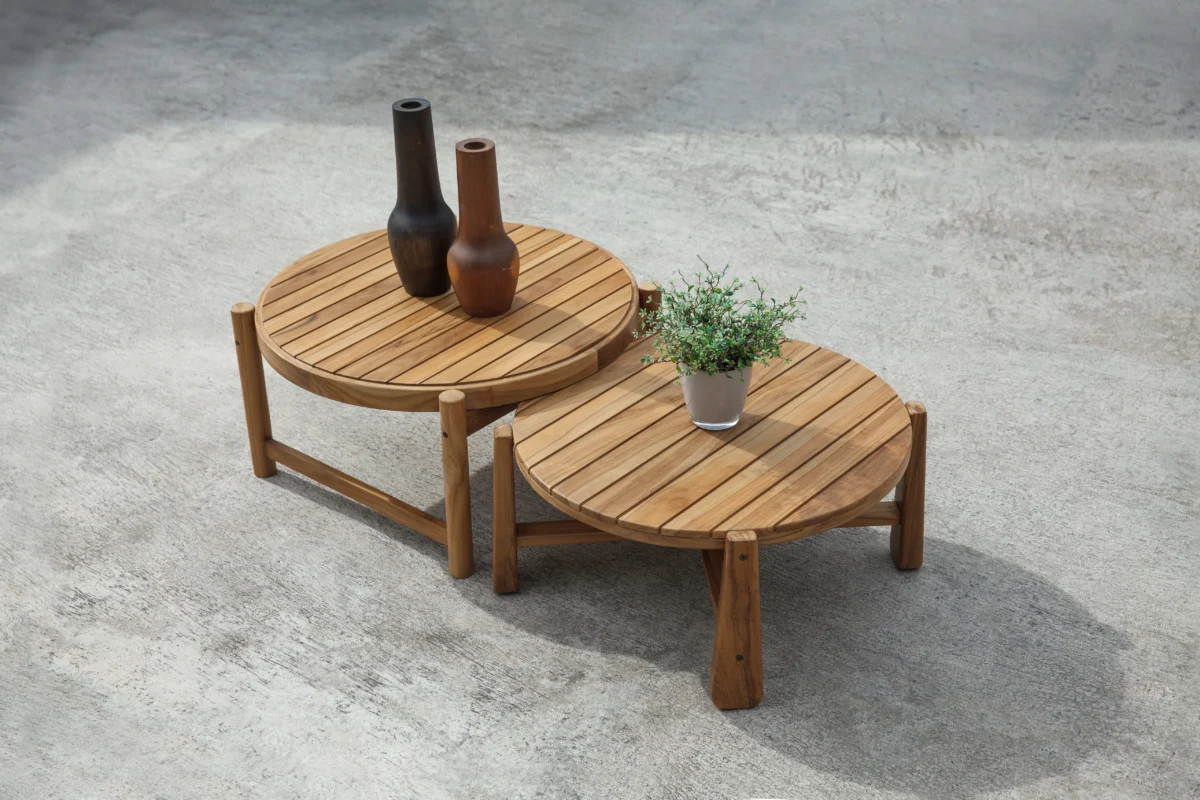
In the world of furniture, few materials command the reverence and admiration that teak does. And when it comes to teak, Indonesian teak stands in a league of its own. It is more than just wood; it is a testament to nature’s enduring strength and humanity’s artistic ingenuity. For centuries, the rich soils of the Indonesian archipelago have nurtured teak trees, fostering a legacy of unparalleled craftsmanship and timeless design. This journey through history reveals not just the evolution of a material, but the story of a culture, an economy, and a commitment to excellence that defines Indonesian Teak Furniture.
At our core, we understand that furniture is an investment, a statement, and a legacy. Our commitment as an Indonesia Teak Furniture Manufacture is to uphold this rich tradition, offering B2B clients products that embody both historical depth and contemporary appeal. Join us as we delve into the fascinating past that shaped the exquisite teak furniture we know and cherish today.
Timeless Elegance: A Journey Through the Rich History of Indonesian Teak Furniture!
The Ancient Roots: Teak’s Indigenous Significance
The story of Indonesian teak begins long before colonial powers set foot on the archipelago. Indigenous communities, particularly in Java, recognized the exceptional qualities of teak wood centuries ago. Its natural resistance to pests, rot, and weathering made it an ideal material for constructing homes, temples, and especially boats. Early Javanese kingdoms utilized teak for shipbuilding, enabling their maritime prowess and expansion across Southeast Asia. Teak was not merely a building material; it was a symbol of strength, durability, and even spiritual significance. Its presence in ancient structures and artifacts underscores its integral role in the cultural fabric of Indonesia.
The dense, oily nature of teak wood meant that structures built from it could withstand the harsh tropical climate, providing shelter and stability for generations. This deep-rooted understanding of teak’s superior properties laid the foundation for the sophisticated woodworking traditions that would later flourish, transforming raw timber into objects of both utility and profound beauty. The early artisans, driven by necessity and an innate connection to their environment, began to experiment, crafting not just structural elements but also decorative pieces that hinted at the future of Indonesian teak furniture.
Colonial Influence and the Rise of Global Demand
The arrival of European powers in the 17th century dramatically altered the trajectory of Indonesian teak. What was once a local resource quickly became a global commodity, coveted for its unmatched qualities in an era of burgeoning international trade and naval expansion.
The Dutch East India Company (VOC) and Teak Plantations
The Dutch East India Company (VOC), establishing its presence in Indonesia, quickly recognized the immense value of teak. With vast naval fleets requiring robust, weather-resistant timber for shipbuilding, the VOC initiated organized teak forestry programs, primarily on the island of Java. This marked a significant shift from traditional, often localized harvesting to systematic, large-scale cultivation. Extensive teak plantations were established, managed with a long-term vision that, inadvertently, ensured a continuous supply of this precious wood for centuries to come. The VOC’s demand for teak not only fueled their maritime ambitions but also laid the groundwork for Indonesia’s future as a major teak producer.
The Dutch colonial administration further refined these forestry practices, implementing regulations and management systems that, while initially serving colonial interests, also instilled a discipline in teak cultivation that persists to this day. This period saw the export of vast quantities of raw teak timber to Europe, where it was used in everything from ship decks to grand furniture pieces, solidifying its reputation on the international stage. The emphasis on controlled harvesting and reforestation during this era contributed significantly to the sustainable practices that characterize much of Indonesian teak production today, a testament to its enduring legacy.
Blending Styles: European Design Meets Javanese Craftsmanship
As teak timber flowed from Indonesia to Europe, so too did European design influences flow back to the archipelago. This cultural exchange led to a fascinating fusion of aesthetics. European furniture styles, characterized by their ornate carvings, classical lines, and robust forms, met the exquisite dexterity and intricate detailing of Javanese woodcarvers. The result was a unique style of Indonesian Teak Furniture, often referred to as colonial teak, which blended the best of both worlds.
Regions like Jepara, already renowned for their woodcarving traditions, became epicenters for this new style. Local artisans, with generations of carving expertise, adapted European designs, imbuing them with distinct Indonesian motifs and a unparalleled level of detail. This period saw the creation of elaborate cabinets, majestic dining tables, and intricately carved chairs, all made from the finest solid teak. These pieces were not merely reproductions; they were reinterpretations, showcasing the adaptability and artistry of Indonesian craftsmen. This era firmly established Indonesia as a hub for sophisticated teak furniture production, a reputation that continues to thrive.
Post-Independence and the Modern Teak Industry
With Indonesia’s independence, the teak industry transitioned from being a colonial asset to a national treasure. The focus shifted towards developing a self-sustaining industry that could benefit local communities and establish Indonesia as a global leader in finished teak furniture.
Sustaining the Legacy: Responsible Forestry and Craftsmanship
In the post-independence era, Indonesia took significant steps to ensure the sustainability of its teak forests. Government-owned enterprises like Perum Perhutani were established to manage the vast teak plantations responsibly, implementing strict regulations for harvesting, reforestation, and forest protection. This commitment to sustainable forestry ensures that future generations will continue to benefit from this precious resource. Moreover, the focus shifted from merely exporting raw timber to developing a robust manufacturing sector for finished products.
This period also saw a renewed appreciation for the skilled local artisans whose expertise is the backbone of the industry. Their intricate carving techniques, passed down through generations, are what give Indonesian teak furniture its distinctive character. The economic impact of this industry on local communities is profound, providing livelihoods and fostering traditional crafts. To learn more about this vital connection, explore More Than Furniture: The Untold Story of How Indonesian Teak Empowers Local Communities!.
Innovation in Design: From Classic to Contemporary
While classic colonial and traditional Javanese designs remain popular, the modern Indonesian teak furniture industry has embraced innovation. Today’s manufacturers, including our own, produce a diverse range of furniture, from robust solid furniture pieces to unique teak branch furniture, catering to a global clientele with varied aesthetic preferences. Designers are constantly pushing boundaries, blending traditional craftsmanship with contemporary trends to create pieces that are both timeless and relevant.
This evolution means that Indonesian teak furniture is no longer confined to specific historical styles. It encompasses sleek, minimalist designs for modern interiors, rustic and organic forms using natural teak branches, and everything in between. The versatility of teak, combined with the skill of Indonesian artisans, allows for endless creative possibilities. For insights into the latest styles, check out Beyond Ordinary: Discover the Hottest Teak Furniture Trends from Indonesia for Your Home!. This adaptability ensures that Indonesian teak remains at the forefront of the global furniture market.
The Enduring Appeal of Indonesian Teak Today
Today, Indonesian teak furniture continues to be highly sought after by discerning B2B clients worldwide. Its unparalleled durability, natural beauty, and inherent resistance to the elements make it an ideal choice for a wide array of applications, from luxury hotels and resorts to high-end residential projects and commercial spaces. The legacy of centuries of craftsmanship, combined with modern sustainable practices, ensures that every piece tells a story of quality and heritage. For a deeper understanding of why teak consistently outperforms other materials, read Teak vs. The Rest: Why Indonesian Teak Furniture Outshines Every Other Wood!.
As a dedicated Indonesia Teak Furniture Manufacture, we are proud to continue this rich tradition. We offer a comprehensive range of solid furniture, teak furniture, and unique teak branch furniture, all crafted to the highest standards. Our B2B focus ensures that we understand the specific needs of businesses looking for reliable, high-quality, and aesthetically superior furniture solutions. From the ancient forests of Java to your next project, Indonesian teak furniture represents an investment in enduring elegance and lasting value.
For more information on our extensive range of products and how we can meet your specific business needs, please do not hesitate to contact us. Our team is ready to assist you via Jivochat, providing expert guidance and tailored solutions to bring the timeless beauty of Indonesian teak to your ventures.
